

Introduction:
Menstrual hygiene is a vital aspect of women’s health, yet many traditional products pose environmental and economic challenges. Menstrual cups offer a sustainable, cost-effective, and health-conscious alternative, gaining popularity among women seeking better menstrual management solutions.
What is a Menstrual Cup?
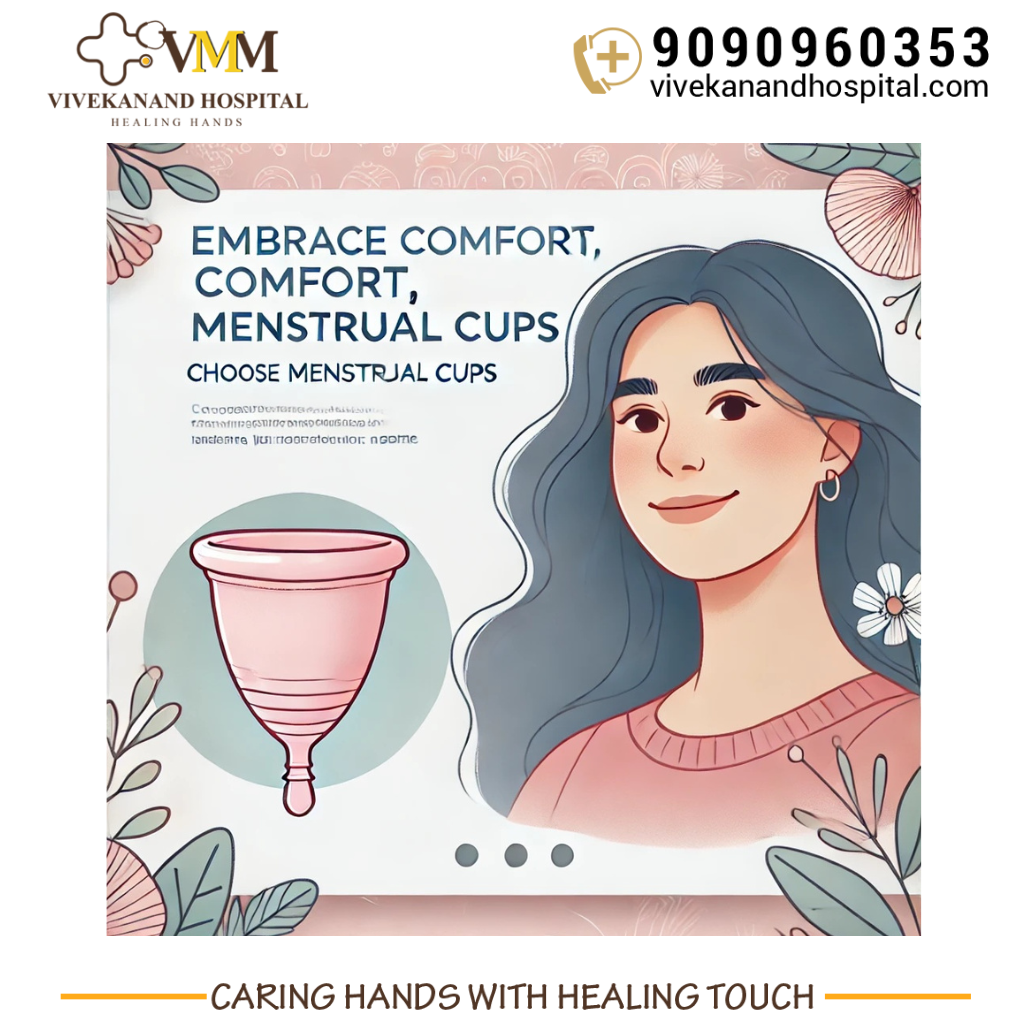
A menstrual cup is a flexible, bell-shaped device made from medical-grade silicone, latex, or thermoplastic elastomer. Inserted into the vagina during menstruation, it collects menstrual fluid rather than absorbing it, as tampons or pads do. Depending on the flow, a menstrual cup can be worn for 6 to 12 hours before needing to be emptied, washed, and reinserted.
Benefits of Using Menstrual Cups:
– Eco-Friendly: Reusable for several years, menstrual cups significantly reduce the waste generated by disposable sanitary products.
– Cost-Effective: Although the initial purchase price is higher, the long-term savings are substantial, as one cup can last up to a decade.
– Health Benefits: Menstrual cups do not disrupt the vaginal flora and are associated with a lower risk of infections compared to tampons.
– Convenience: With a higher capacity than tampons or pads, menstrual cups require fewer changes, making them ideal for busy days or overnight use.
Read Also: What is the Largest Organ in the Human Body- Vivekanand Hospital Bhubaneswar
How to Use a Menstrual Cup:
1. Insertion:
– Wash Hands: Ensure your hands are clean to prevent introducing bacteria.
– Fold the Cup: Fold the cup in a C-shape or punch-down fold for easier insertion.
– Insert: Relax your pelvic muscles, gently insert the folded cup into the vagina, and let it open fully to create a seal against the vaginal walls.
2. Removal:
– Wash Hands: Cleanliness is crucial.
– Locate the Cup: Gently pull the stem until you can reach the base.
– Release the Seal: Pinch the base to break the seal and carefully remove the cup.
– Empty and Clean: Dispose of the collected fluid into the toilet, rinse the cup with water, and reinsert.
Addressing Common Concerns:
– Insertion and Removal: Initial difficulties are common but typically resolve with practice. Many users become comfortable after a few cycles.
– Hygiene: Proper cleaning is essential. During your period, rinse the cup with water and mild, unscented soap after each use. At the end of your cycle, sterilize the cup by boiling it in water for a few minutes.
– Leakage: Ensuring the correct size and proper placement can prevent leaks. If leakage occurs, consider trying a different size or brand.
Conclusion:
Menstrual cups present a sustainable, economical, and health-conscious alternative to traditional menstrual products. While there may be an initial learning curve, the benefits far outweigh the challenges. By embracing menstrual cups, women can take a significant step toward better personal health and environmental responsibility.
