

Introduction:
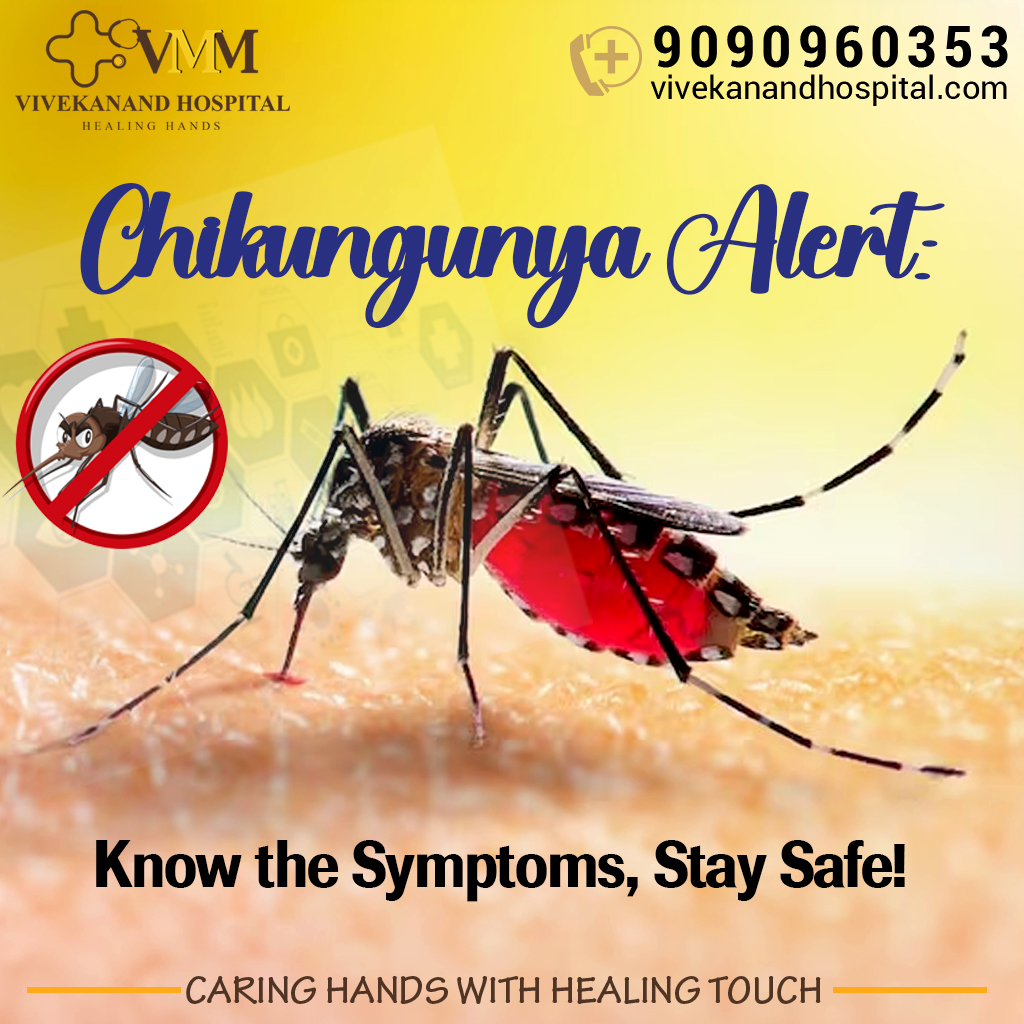
Chikungunya, a mosquito-borne viral illness, has become a growing concern across Odisha, especially in urban centers like Bhubaneswar. Caused by the chikungunya virus, this disease brings with it intense joint pain, fever, and fatigue. Early identification of symptoms is crucial for recovery. At Vivekanand Hospital, Bhubaneswar, we provide expert care and guidance to help patients through each stage of this condition.
What is Chikungunya?
Chikungunya is a viral illness transmitted by infected mosquitoes—primarily Aedes aegypti and Aedes albopictus. Although it is rarely fatal, its symptoms can be severe and debilitating, particularly joint pain which may persist for months in some cases.
Primary Symptoms of Chikungunya:
High Fever (often >102°F), Severe Joint Pain (hands, feet, wrists, ankles), Skin Rash (maculopapular in nature), Muscle Pain and Stiffness, Fatigue and Weakness, Headache, Nausea or Vomiting, Conjunctivitis (eye redness), & Joint Swelling
Timeline of Symptoms:
Incubation Period: 2–7 days after a mosquito bite
Acute Phase (0–7 days): Sudden fever, intense joint and muscle pain
Post-Acute Phase (Week 2–12): Recovery with occasional joint stiffness
Chronic Phase (3+ months): Long-lasting joint inflammation in some cases
Diagnosis of Chikungunya at Vivekanand Hospital
Clinical examination (based on reported symptoms)
Blood tests, including:
RT-PCR (Reverse Transcription Polymerase Chain Reaction)
IgM and IgG antibody detection
CBC (Complete Blood Count) to check platelet levels
ESR & CRP for inflammation markers
Treatment & Supportive Care
Symptom management:
Paracetamol for fever and pain (avoiding NSAIDs until dengue is ruled out)
Fluids for hydration
Rest and joint support
Chronic pain management:
Physiotherapy
Anti-inflammatory medications
Monitoring complications for elderly, children, and pregnant women
Prevention Tips:
Use mosquito repellents on skin and clothes
Wear long sleeves and pants, especially during the day
Install mosquito nets and screens at home
Eliminate stagnant water from containers, pots, tyres, and drains
Community spraying of larvicides to control mosquito breeding
Read Also: Gut Health Guide: How Probiotics and Prebiotics Boost Digestion, Mood & Immunity
FAQs:
Q: Can chikungunya be fatal?
A: Chikungunya is rarely fatal but can cause severe pain and long-term joint issues.
Q: How is it different from dengue?
A: While both share symptoms like fever and joint pain, chikungunya causes more intense joint pain. Dengue often leads to bleeding issues and a drop in platelet count.
Q: How long does it take to recover?
A: Most people recover in 1–2 weeks, though joint pain may last for months.
Q: Is there a vaccine for chikungunya?
A: Currently, there is no licensed vaccine. Prevention through mosquito control remains key.
Q: Who is at risk of complications?
A: Infants, elderly individuals, pregnant women, and people with underlying health conditions.
Conclusion:
Recognizing the symptoms of chikungunya early can prevent complications and ensure a faster recovery. Fever, severe joint pain, and fatigue are warning signs not to ignore. At Vivekanand Hospital, Bhubaneswar, we provide expert care from diagnosis to recovery—because your health deserves timely attention.
If you or a loved one show signs of chikungunya, don’t delay care.
📞 Call Vivekanand Hospital, Bhubaneswar: 9090960353
🌐 Visit: www.vivekanandhospital.com
